Are you wondering when your next VA disability payment will arrive? Staying on top of payment dates is crucial for planning your monthly finances, especially as we approach the holiday season. We know how important timely support is for you and your loved ones.
Key November Payment Dates
The U.S. Department of Veterans Affairs typically issues disability payments on the first business day of each month. For November 2026, the first falls on a Sunday, so payments are expected to be deposited on Monday, November 2, 2026. Keep in mind that processing times may vary by bank or credit union, so check your account for updates.
Payment Date: November 2, 2026
Who receives it? Veterans, widows, and eligible dependents
How We Support You
Managing VA benefits can be overwhelming, especially with changing schedules and complex paperwork. That’s why we focus on providing clear, actionable resources for disabled veterans, widows, and dependents. Our team is dedicated to helping you navigate compensation, support, and assistant programs with confidence.
We also offer intuitive, AI-powered solutions that make it easier to generate professional-quality visuals for your personal or advocacy projects. Discover how our technology can streamline your workflow and help you create impactful content with ease by visiting.
Have Questions or Need Guidance?
If you have questions about your VA benefits or want tips on making the most of your compensation, we’re always ready to help. Our resources are designed to empower you to take charge of your benefits and maximize every opportunity available.
Have you ever found yourself wondering how much more you can take—when the days feel heavy and the challenges seem endless?
If you’re a veteran or someone supporting one, those tough moments can feel especially isolating. But remember, facing difficulties is a sign of strength, not weakness. Many veterans experience similar struggles—navigating benefits, managing mental health, or just trying to lighten your mental load. You’re not alone in this journey, and there are resources designed to help you move forward, one step at a time.
Sometimes, the hardest part is knowing where to start. If you’re unsure how to access the support you deserve, take a look at the information and tools available through ImGenerationX. Whether you need guidance on benefits, community resources, or simply a reminder that help is within reach, you’ll find actionable advice tailored for veterans, their families, and those still serving. It’s about making the process less overwhelming and more manageable—so you can focus on healing and growth.
If you’re looking for ways to automate your outreach or connect with others who understand your experience, consider exploring the free trial of our AI-powered newsletter tool. It’s designed to make sharing information and encouragement easier, so you can spend more time taking care of yourself and those around you.
Whatever you’re facing, know that reaching out for help is a sign of resilience. If you have questions or need extra support, I’m here to help you navigate the next step.
Wishing you a week filled with support and encouragement.
PLEASE DONATE TO THIS BLOG. WE REACH OVER FIFTHTEEN HUNDRED VETEFRANS
FAMILES DAILY. ALL THE INFORMATION PROVIDED IS FREE, NO COST TO VETERANS
AND THEIR FAMILES. A SMALL DONATION WILL INSURE THE GROWTH OF THIS BLOG
Have you noticed the growing number of veterans being awarded a 100% disability rating? This trend is more than a statistic—it reflects real stories of service, sacrifice, and the evolving needs of our veteran community. Today, we’re exploring the reasons behind this increase and what it means for you and your loved ones.
The Shifting Landscape of Veteran Support
Several factors are contributing to the rise in 100% disability ratings for veterans:
Enhanced Awareness: More veterans are recognizing their eligibility for support and compensation, thanks to improved outreach and advocacy.
Streamlined Claims Processes: Recent updates in the claims system have made it easier for veterans to apply and get the support they deserve.
Expanded Definitions: The VA has broadened its criteria to include a wider range of physical and mental health conditions.
These changes mean more veterans—and their families—can access vital resources and benefits.
How ImGenerationX Supports Disabled Veterans and Their Families
At ImGenerationX, we’re committed to supporting disabled veterans, their widows, and dependents. Our platform makes it intuitive and seamless to generate professional-quality visuals for advocacy, claims, and personal projects. Whether you’re creating presentations, documenting your journey, or simply expressing your story, our is designed to transform your ideas into impactful visuals.
Ready to Create?
Discover how our innovative platform can simplify your workflow and help you communicate your story powerfully. today.
Best regards, The ImGenerationX Team
P.S. If you have questions about disability ratings or want tips on using AI-generated images for your advocacy, reply to this email—we’re always here to help!
There is a general rule of law that a military retiree may not receive both Disability Compensation from the Department of Veterans Affairs (VA Disability Compensation) and military retired pay concurrently. Instead, a military retiree may waive his/her military retired pay, dollar for dollar, in order to receive VA Disability Compensation. This law is located at Title 38 United States Code (U.S.C.), sections 5304 and 5305.
The law provides a limited exception to this general rule. Under the limited exception, military retirees (other than those retired by the military under Chapter 61 for disability) who meet the eligibility criteria listed below are not subject to the general rule. There are special rules that apply to Chapter 61 Military Disability Retirees that can be found in Title 10 United States Code section 1414(b).
This limited exception has been often referred to as Concurrent Retirement and Disability Pay or CRDP. However, CRDP is not a term used in the law. It is simply meant to convey that some military retirees may have the right to concurrently receive their military retirement pay (including military disability retired pay) and VA Disability Compensation.
Eligibility (of Retirees Who Did Not Retire Under Chapter 61 for Disability):
To be eligible to receive both military retired pay and VA Disability Compensation concurrently, a member who did not retire under Chapter 61 for disability must:
Be entitled for any month to both military retired pay and VA Disability Compensation; and
Have a service-connected disability (or combination of service-connected disabilities) that is rated by the Secretary of Veterans Affairs as not less than 50 percent disabling on the VA schedule for rating disabilities.
Eligibility (of Retirees Who Are Entitled to Retired Pay Due to Retirement Under Chapter 61 for Disability):
To be eligible to receive both military disability retired pay and VA Disability Compensation concurrently, a member who was retired under Chapter 61 for disability must:
Have completed 20 years or more of service creditable under 10 U.S.C. § 1405, or 20 years of service computed under 10 U.S.C. § 12732, at the time of the retirement; and
Be entitled for any month to both military disability retired pay and VA Disability Compensation; and
Have a service-connected disability (or combination of service-connected disabilities) that is rated by the Secretary of Veterans Affairs as not less than 50 percent disabling on the VA schedule for rating disabilities.
Note: A member who was retired under Chapter 61 for disability and who did not have 20 years or more of service creditable under 10 U.S.C. § 1405, or 20 years of service computed under 10 U.S.C. § 12732 at the time of retirement, is not eligible to receive VA Disability Compensation and military disability retired pay concurrently. Therefore, such members are subject to the general rule that requires a dollar-for-dollar waiver of military retired pay in order to receive VA Disability Compensation.
Entitlement Amount (for Retirees Who DidNotRetire Under Chapter 61 for Disability):
The law that allows qualified retirees to receive military retirement pay and VA Disability Compensation concurrently went into effect on January 1, 2004, and provided for a 10-year phase-in period (January 1, 2004 through December 31, 2013) for most retirees. The phase-in period ended on December 31, 2013.
Effective on January 1, 2014, (with the exception of members who retired under Chapter 61 for disability who are subject to the limitations explained below) members who meet the eligibility requirements above may receive military retired pay, in full, concurrently with VA Disability Compensation.
For historical information on the computation of the amount of military retirement pay that could be paid concurrently with VA Disability Compensation during the phase-in period, please consult archived versions of the Financial Management Regulations available at https://comptroller.defense.gov/FMR.
Example: A regular component service member completed 20 years of active service and voluntarily retired based on longevity/years of service in 2020. (S)he became entitled to $800 per month in gross retired pay. The member is also entitled to VA Disability Compensation based on a service-connected disability that is rated by VA as 50 percent disabling in the amount of $1200 per month. This member may receive military retired pay ($800) in full concurrently with the member’s VA Disability Compensation ($1200).
Entitlement Amount (for Retirees Who Are Entitled to Retired Pay Due to Retirement Under Chapter 61 for Disability):
A military disability retiree with more than 20 years of creditable service for retirement must still waive retired pay in order to receive VA Disability Compensation. The waiver amount is the amount that the military disability retired pay exceeds the amount of military retired pay to which the member would have been entitled to receive if the member had hypothetically been retired under another law (such as the law that permits voluntarily retirement based on longevity/years of service). As a result, the amount of military disability retired pay that a disability retiree may receive concurrently with VA Disability Compensation may be limited. (Disability retirees who retired before December 31, 2013 were also subject to the phase-in described above).
Example: A regular component service member is retired under Chapter 61 for disability in 2020 after completing more than 20 years of creditable service under 10 U.S.C. § 1405. The member is also entitled to VA Disability Compensation based on a service-connected disability that is rated by VA as 50 percent disabling. This member may only receive concurrent military disability retired pay in an amount equal to what the member would have hypothetically received had the member retired for longevity/years of service. Any remaining amount of military disability retired pay is still subject to the waiver requirements of Title 38 United States Code (U.S.C.), sections 5304 and 5305.
Note: For Reserve/Guard members who receive their Notification of Eligibility for Retired Pay at Age 60 (“NOE”) and are later retired under Chapter 61 for disability with immediate retired pay, concurrent retired pay may not be paid until the member reaches the eligibility age that (s)he otherwise would have been required to reach in order to start receiving military retired pay. This is because there is no provision of law under which such a member would be entitled to receive retired pay before eligibility age if the member had not been retired under Chapter 61 for disability.
Reserve/Guard members who are retired under Chapter 61 for disability should contact their Branch of Service to determine their eligibility age and creditable service/points, and to ensure that the Branch of Service is in contact with DFAS so that concurrent retired pay may be started. DFAS must receive the information directly from the Branch of Service. Any recalculation of creditable service/points must be addressed with the Branch of Service.
Example: In 2020, a Reservist/Guard member received their NOE notifying the member that they had completed 20 or more years of service computed under 10 U.S.C. § 12732. The member is later retired for disability under Chapter 61 with immediate retired pay (before reaching eligibility age). The member is also entitled to VA Disability Compensation based on a service-connected disability that is rated by VA as 50 percent disabling. The member is not entitled to be paid concurrent military disability retired pay until the member reaches the eligibility age that (s)he otherwise would have been required to reach before military retired pay would have started. The Branch of Service must inform DFAS of the member’s eligibility age and the service that is creditable to compute the concurrent military disability retired pay. This member may only receive concurrent military disability retired pay after reaching eligibility age and only in an amount equal to what the member would have received at eligibility age if (s)he had not been retired for disability under Chapter 61.
Applying for Concurrent Military Retired Pay or Military Disability Retired Pay and DVA Disability Compensation
Because the VA shares information about VA Disability Compensation with DFAS, in most circumstances, DFAS is able to pay concurrent retired pay or concurrent military disability retired pay without the need for the member to submit a written claim.
For Reserve/Guard members who are retired under Chapter 61 for disability before eligibility age, DFAS must receive retirement orders directly from your Branch of Service to start your entitlement to concurrent retired pay at eligibility age. Therefore, it is very important for you to contact your Branch of Service to ensure that the concurrent retired pay is started. Any retiree who believes that (s)he is entitled concurrent retired pay but is not receiving it should submit a written claim to DFAS.
If your VA disability rating changes after you begin receiving retired pay, you may be eligible for retroactive concurrent retired pay or disability retired pay. When DFAS receives updated VA Disability Compensation information from the VA, we will audit your pay account to determine if you are due any retroactive concurrent retired pay or disability retired pay. An audit of your account requires researching pay information from DFAS, the VA, and your Branch of Service.
Your retroactive concurrent retired pay payment date may go back as far as January 1, 2004, but may also be limited based on: • your retirement date; or • when your disability rating first increased to at least 50 percent; or • the circumstances of your specific case (i.e. Chapter 61, non-regular etc).
If you have questions regarding your military retired pay, please contact DFAS at 800-321-1080. For questions concerning disability ratings or disability compensation, please contact the VA at 800-827-1000.
Note: The information on this website is provided to explain typical situations regarding retiree and annuitant benefits. For details and exceptions, please see applicable laws, financial management regulations, and instructions.
Concurrent Military Retired Pay and VA Disability Compensation
There is a general rule of law that a military retiree may not receive both Disability Compensation from the Department of Veterans Affairs (VA Disability Compensation) and military retired pay concurrently. Instead, a military retiree may waive his/her military retired pay, dollar for dollar, in order to receive VA Disability Compensation. This law is located at Title 38 United States Code (U.S.C.), sections 5304 and 5305.
The law provides a limited exception to this general rule. Under the limited exception, military retirees (other than those retired by the military under Chapter 61 for disability) who meet the eligibility criteria listed below are not subject to the general rule. There are special rules that apply to Chapter 61 Military Disability Retirees that can be found in Title 10 United States Code section 1414(b).
This limited exception has been often referred to as Concurrent Retirement and Disability Pay or CRDP. However, CRDP is not a term used in the law. It is simply meant to convey that some military retirees may have the right to concurrently receive their military retirement pay (including military disability retired pay) and VA Disability Compensation.
Eligibility (of Retirees Who Did Not Retire Under Chapter 61 for Disability):
To be eligible to receive both military retired pay and VA Disability Compensation concurrently, a member who did not retire under Chapter 61 for disability must:
Be entitled for any month to both military retired pay and VA Disability Compensation; and
Have a service-connected disability (or combination of service-connected disabilities) that is rated by the Secretary of Veterans Affairs as not less than 50 percent disabling on the VA schedule for rating disabilities.
Eligibility (of Retirees Who Are Entitled to Retired Pay Due to Retirement Under Chapter 61 for Disability):
To be eligible to receive both military disability retired pay and VA Disability Compensation concurrently, a member who was retired under Chapter 61 for disability must:
Have completed 20 years or more of service creditable under 10 U.S.C. § 1405, or 20 years of service computed under 10 U.S.C. § 12732, at the time of the retirement; and
Be entitled for any month to both military disability retired pay and VA Disability Compensation; and
Have a service-connected disability (or combination of service-connected disabilities) that is rated by the Secretary of Veterans Affairs as not less than 50 percent disabling on the VA schedule for rating disabilities.
Note: A member who was retired under Chapter 61 for disability and who did not have 20 years or more of service creditable under 10 U.S.C. § 1405, or 20 years of service computed under 10 U.S.C. § 12732 at the time of retirement, is not eligible to receive VA Disability Compensation and military disability retired pay concurrently. Therefore, such members are subject to the general rule that requires a dollar-for-dollar waiver of military retired pay in order to receive VA Disability Compensation.
Entitlement Amount (for Retirees Who DidNotRetire Under Chapter 61 for Disability):
The law that allows qualified retirees to receive military retirement pay and VA Disability Compensation concurrently went into effect on January 1, 2004, and provided for a 10-year phase-in period (January 1, 2004 through December 31, 2013) for most retirees. The phase-in period ended on December 31, 2013.
Effective on January 1, 2014, (with the exception of members who retired under Chapter 61 for disability who are subject to the limitations explained below) members who meet the eligibility requirements above may receive military retired pay, in full, concurrently with VA Disability Compensation.
For historical information on the computation of the amount of military retirement pay that could be paid concurrently with VA Disability Compensation during the phase-in period, please consult archived versions of the Financial Management Regulations available at https://comptroller.defense.gov/FMR.
Example: A regular component service member completed 20 years of active service and voluntarily retired based on longevity/years of service in 2020. (S)he became entitled to $800 per month in gross retired pay. The member is also entitled to VA Disability Compensation based on a service-connected disability that is rated by VA as 50 percent disabling in the amount of $1200 per month. This member may receive military retired pay ($800) in full concurrently with the member’s VA Disability Compensation ($1200).
Entitlement Amount (for Retirees Who Are Entitled to Retired Pay Due to Retirement Under Chapter 61 for Disability):
A military disability retiree with more than 20 years of creditable service for retirement must still waive retired pay in order to receive VA Disability Compensation. The waiver amount is the amount that the military disability retired pay exceeds the amount of military retired pay to which the member would have been entitled to receive if the member had hypothetically been retired under another law (such as the law that permits voluntarily retirement based on longevity/years of service). As a result, the amount of military disability retired pay that a disability retiree may receive concurrently with VA Disability Compensation may be limited. (Disability retirees who retired before December 31, 2013 were also subject to the phase-in described above).
Example: A regular component service member is retired under Chapter 61 for disability in 2020 after completing more than 20 years of creditable service under 10 U.S.C. § 1405. The member is also entitled to VA Disability Compensation based on a service-connected disability that is rated by VA as 50 percent disabling. This member may only receive concurrent military disability retired pay in an amount equal to what the member would have hypothetically received had the member retired for longevity/years of service. Any remaining amount of military disability retired pay is still subject to the waiver requirements of Title 38 United States Code (U.S.C.), sections 5304 and 5305.
Note: For Reserve/Guard members who receive their Notification of Eligibility for Retired Pay at Age 60 (“NOE”) and are later retired under Chapter 61 for disability with immediate retired pay, concurrent retired pay may not be paid until the member reaches the eligibility age that (s)he otherwise would have been required to reach in order to start receiving military retired pay. This is because there is no provision of law under which such a member would be entitled to receive retired pay before eligibility age if the member had not been retired under Chapter 61 for disability.
Reserve/Guard members who are retired under Chapter 61 for disability should contact their Branch of Service to determine their eligibility age and creditable service/points, and to ensure that the Branch of Service is in contact with DFAS so that concurrent retired pay may be started. DFAS must receive the information directly from the Branch of Service. Any recalculation of creditable service/points must be addressed with the Branch of Service.
Example: In 2020, a Reservist/Guard member received their NOE notifying the member that they had completed 20 or more years of service computed under 10 U.S.C. § 12732. The member is later retired for disability under Chapter 61 with immediate retired pay (before reaching eligibility age). The member is also entitled to VA Disability Compensation based on a service-connected disability that is rated by VA as 50 percent disabling. The member is not entitled to be paid concurrent military disability retired pay until the member reaches the eligibility age that (s)he otherwise would have been required to reach before military retired pay would have started. The Branch of Service must inform DFAS of the member’s eligibility age and the service that is creditable to compute the concurrent military disability retired pay. This member may only receive concurrent military disability retired pay after reaching eligibility age and only in an amount equal to what the member would have received at eligibility age if (s)he had not been retired for disability under Chapter 61.
Applying for Concurrent Military Retired Pay or Military Disability Retired Pay and DVA Disability Compensation
Because the VA shares information about VA Disability Compensation with DFAS, in most circumstances, DFAS is able to pay concurrent retired pay or concurrent military disability retired pay without the need for the member to submit a written claim.
For Reserve/Guard members who are retired under Chapter 61 for disability before eligibility age, DFAS must receive retirement orders directly from your Branch of Service to start your entitlement to concurrent retired pay at eligibility age. Therefore, it is very important for you to contact your Branch of Service to ensure that the concurrent retired pay is started. Any retiree who believes that (s)he is entitled concurrent retired pay but is not receiving it should submit a written claim to DFAS.
If your VA disability rating changes after you begin receiving retired pay, you may be eligible for retroactive concurrent retired pay or disability retired pay. When DFAS receives updated VA Disability Compensation information from the VA, we will audit your pay account to determine if you are due any retroactive concurrent retired pay or disability retired pay. An audit of your account requires researching pay information from DFAS, the VA, and your Branch of Service.
Your retroactive concurrent retired pay payment date may go back as far as January 1, 2004, but may also be limited based on: • your retirement date; or • when your disability rating first increased to at least 50 percent; or • the circumstances of your specific case (i.e. Chapter 61, non-regular etc).
If you have questions regarding your military retired pay, please contact DFAS at 800-321-1080. For questions concerning disability ratings or disability compensation, please contact the VA at 800-827-1000.
Note: The information on this website is provided to explain typical situations regarding retiree and annuitant benefits. For details and exceptions, please see applicable laws, financial management regulations, and instructions.
Finding an employer who values your unique skills and understands the journey of veterans and their families can feel overwhelming. As we approach 2027, more companies are recognizing the importance of hiring veterans—especially those with disabilities or supporting dependents. But where can you find workplaces that offer real support, not just lip service?
What Sets Top Employers Apart?
Supportive employers go beyond basic benefits. They offer:
Accessible work environments designed for veterans with disabilities
Comprehensive compensation packages that recognize military experience
Programs for widows and dependents—from counseling to career training
AI-powered tools and resources that make workflows more intuitive and efficient
Companies leading the way in 2026/27 are integrating technology to create seamless, flexible work experiences for veterans. Many are using platforms like to generate professional-quality visuals and streamline communication, making it easier for veterans and their families to transition and thrive in civilian roles.
Ready to take the next step? Focus on employers who:
Highlight their veteran support programs in job postings
Offer mentorships and peer support networks
Invest in ongoing training and accessible technology
Explore resources and platforms that empower you to create, learn, and connect—whether you’re seeking a new role or supporting a loved one’s career journey. If you want to transform your professional visuals or need intuitive tools for your workflow, discover how ImGenerationX can help you create and communicate with confidence.
Is there anything that will make me more likely to get these benefits?
Yes. You may qualify for enhanced eligibility status if you meet the minimum active-duty service and discharge requirements and at least one of these descriptions is true for you. Enhanced eligibility means that we’ll place you in a higher priority group. This makes you more likely to get benefits.
At least one of these must be true:
You receive financial compensation (payments) from VA for a service-connected disability.
You were discharged for a disability resulting from something that happened to you in the line of duty.
You were discharged for a disability that got worse in the line of duty.
You were exposed to toxins or hazards by working with chemicals, pesticides, lead, asbestos, certain paints, nuclear weapons, X-rays, or other toxins. This exposure could have happened while training or serving on active duty, even if you were never deployed.
You served in Southwest Asia during the Gulf War between August 2, 1990, and November 11, 1998.
You served at least 30 days at Camp Lejeune between August 1, 1953, and December 31, 1987.
Or you must have served in any of these locations during the Vietnam War era:
Any U.S. or Royal Thai military base in Thailand from January 9, 1962, through June 30, 1976
Laos from December 1, 1965, through September 30, 1969
Cambodia at Mimot or Krek, Kampong Cham Province from April 16, 1969, through April 30, 1969
Guam or American Samoa or in the territorial waters off Guam or American Samoa from January 9, 1962, through July 31, 1980
Johnston Atoll or on a ship that called at Johnston Atoll from January 1, 1972, through September 30, 1977
Republic of Vietnam from January 9, 1962 through May 7, 1975
If none of these descriptions apply to you, you may still qualify for health care based on your income. Find out if you may be eligible for free or reduced cost health care based on your income.
What are priority groups and how do they affect me?
I have other health insurance (like Medicare, Medicaid, or private insurance). Does that affect whether I can get VA health care benefits?
When I leave active-duty service, how do I know if I’m eligible for TRICARE, VA health care, or both?
If I can’t get VA health care benefits, how else can I get health insurance?
If I don’t qualify for VA health care benefits, can I still get care for certain needs (like PTSD or military sexual trauma)?
I need vision care. Can I get it through VA?
I need dental care. Can I get it through VA?
I think I may have a service-connected disability. Can I get disability compensation (monthly payments)?
More eligibility information you may need
Priority groupsFind out what VA priority groups are, how they work, and how they may affect you.
Active-duty service members and VA health careLearn about your health care options after separation or retirement and how to apply for VA health care when you receive your separation or retirement orders. If you’re a combat Veteran, apply right away to take advantage of 10 years of enhanced eligibility.
Are You Making the Most of VA Benefits as a Military Spouse?
Military life brings unique challenges—and opportunities. If you’re a military spouse, you may wonder how to access the support and resources available to you through the VA. The good news: there are more options than you might think, from education to career assistance and compensation programs designed specifically for families like yours.
Key Benefits and How to Access Them
Education and Career Advancement
The VA offers programs such as the Survivors’ and Dependents’ Educational Assistance (DEA) and the Fry Scholarship. These initiatives help you pursue degrees, certifications, or on-the-job training, making it easier to build a rewarding career.
DEA Program: Financial assistance for education and training.
Fry Scholarship: Tuition support for spouses and children of service members who died in the line of duty.
Compensation and Support Services
Military spouses may qualify for Dependency and Indemnity Compensation (DIC), a tax-free monetary benefit for surviving spouses and dependents. The VA also provides grief counseling, health care, and home loan guarantees to help ease transitions and support your family’s well-being.
DIC: Monthly financial support for eligible survivors.
VA Home Loans: Flexible financing for home purchase or refinancing.
Empowering Your Journey
At ImGenerationX, we’re passionate about helping military families not only access benefits but also tell their stories and create lasting memories. Transforms your ideas into professional-quality visuals—perfect for personal projects, commemorations, or sharing your journey with loved ones. With our intuitive interface, you can create, generate, and customize images seamlessly, no design experience required.
Best regards,
P.S. If you know another military spouse who could benefit from these resources, forward this email or invite them to join our community!
Have you heard about the upcoming 2027 Cost-of-Living Adjustment (COLA) increase? If you’re a disabled veteran, surviving spouse, or dependent, this annual boost could make a real difference for your financial planning. But what exactly does it mean for you—and how can you make the most of it?
Understanding the 2027 COLA: Key Facts
What is COLA? The Cost-of-Living Adjustment is designed to keep your VA benefits in line with inflation, so your purchasing power doesn’t erode over time.
Who benefits? Disabled veterans, their widows, and dependents receiving VA compensation or pension payments will see an increase in their monthly benefits.
When does it take effect? The new rates are set to begin in January 2027, following the Social Security Administration’s official announcement.
Maximizing Your Benefits with ImGenerationX
Staying informed about benefit changes is just the first step. At ImGenerationX, we’re committed to supporting you every step of the way—from understanding your entitlements to helping you create professional-quality visuals for advocacy or personal projects. Our AI-powered image generation platform makes it intuitive to generate custom images that can help you tell your story, advocate for change, or simply stay organized.
Intuitive workflow: Easily transform your ideas into professional visuals.
Seamless experience: Create, download, and share images quickly and efficiently.
Innovation at your fingertips: Our tools are designed to empower veterans and their families to communicate powerfully and clearly.
Ready to Explore More?
Visit ImGenerationX to see how our platform can assist you in your advocacy, outreach, or creative projects. Whether you’re preparing for the 2027 COLA boost or looking for new ways to connect, we’re here to help you generate results.
Best regards, The ImGenerationX Team
P.S. Have questions about your benefits or how to use our platform? Reply to this email and let us know what you’d like to learn next!
670,000
Estimating the precise number of military widows in the United States is challenging due to varying data collection methods and definitions. However, a reasonable estimate places the number around 670,000.
Did you know there are a variety of education benefits designed specifically for veterans and their families? Navigating these resources can feel overwhelming, but understanding your options is the first step toward transforming your future.
Understanding Your Options
Many veterans and their families face challenges when it comes to accessing education benefits—complex eligibility requirements, unclear application steps, and uncertainty about which programs offer the most value. We want to help you break down these barriers.
GI Bill®: The Post-9/11 GI Bill® provides financial support for education and housing to individuals with at least 90 days of aggregate service after September 10, 2001.
Yellow Ribbon Program: This program helps cover tuition and fees that may exceed the GI Bill® limits at certain institutions.
Survivors’ and Dependents’ Educational Assistance (DEA): Offers education and training opportunities to eligible dependents of veterans who are permanently disabled or have died as a result of their service.
Making the Most of Your Benefits
We understand how important it is to have reliable, actionable information. Here are a few tips to maximize your education benefits:
Research available programs and compare what each offers.
Contact your chosen educational institution’s veterans affairs office for personalized guidance.
Keep track of application deadlines and required documents.
How ImGenerationX Can Support Your Journe
Ready to Transform Your Creative Workflow
P.S. Have questions about education benefits, let us know what topics you’d like us to cover next!
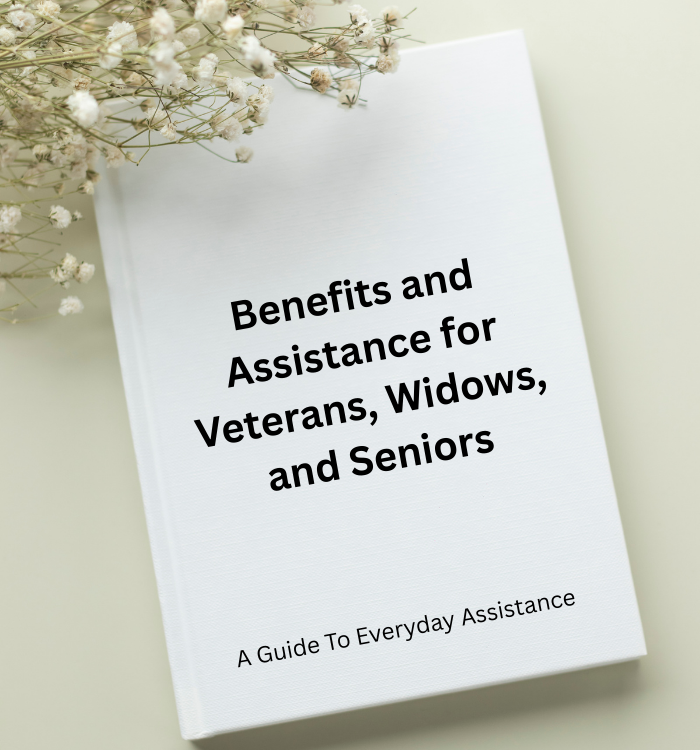
Navigating life’s challenges as a veteran, a widow, or a senior can be overwhelming, but knowledge is power. “Benefits and Assistance for Veterans, Widows, and Seniors” is your comprehensive guide to understanding the myriad of resources available. This book covers everything from protecting elderly loved ones to securing essential benefits, providing the clarity you need to take actio
Key Topics Covered
Whether you’re seeking insights on veteran widows’ benefits, guidance on navigating TRICARE and Medicare, or tips for safeguarding against identity theft, each section is packed with valuable information and step-by-step solutions tailored to your needs.
About the Author
Jesse Caldwell, a dedicated advocate for veterans and seniors, has spent years helping families unlock the support they deserve. Drawing from a wealth of experience, Jesse’s writing offers practical advice, ensuring readers can confidently access the programs that matter most.
Empower Yourself and Secure a Brighter Future
Empower yourself with the knowledge to protect, provide, and thrive. With this guide in hand, you’ll discover vital resources and assistance to make life safer, healthier, and more secure for you and your loved ones.
Navigating life’s challenges as a veteran, a widow, or a senior can be overwhelming, but knowledge is power. “Benefits and Assistance for Veterans, Widows, and Seniors” is your comprehensive guide to understanding the myriad of resources available. This book covers everything from protecting elderly loved ones to securing essential benefits, providing the clarity you need to take action.
Have you ever wondered if you’re truly getting the most out of your VA health care benefits?
With so many changes happening in veteran health care, it can feel overwhelming to keep track of what’s available and how new options might affect your care. That’s why I wanted to share some important updates about the latest VA health care programs and resources designed to support you.
What’s New in VA Health Care?
This year, the VA has expanded several programs to improve access and flexibility for veterans. Notably, the VA Health Care Eligibility Expansion Act has extended coverage to more veterans, including those who may not have qualified in the past. If you haven’t checked your eligibility recently, it’s worth taking another look at the VA’s official eligibility page to see what’s changed.
Additionally, the VA is rolling out new telehealth options, making it easier to connect with specialists and primary care providers from home. These virtual appointments can save you time and offer more flexibility, especially if you live far from a VA facility.
Addressing Common Challenges
Many veterans have shared frustrations about long wait times or unclear information about which services are covered. The updated VA health care system aims to address these issues by streamlining the application process and increasing transparency in coverage details. If you’ve experienced these challenges, you’re not alone, and there are now more resources available to guide you through the process.
Staying Informed and Getting Support
Keeping up with changes in benefits can be tough, but staying informed ensures you get the care you deserve. For the most up-to-date information, visit the VA Health Care site. You can also reach out to your local VA representative for personalized assistance.
As always, I’m here to help you navigate these updates and connect you to the resources that matter most. Your health and well-being are a priority—don’t hesitate to explore these new options and make the most of your benefits.
Navigating life’s challenges as a veteran, a widow, or a senior can be overwhelming, but knowledge is power. “Benefits and Assistance for Veterans, Widows, and Seniors” is your comprehensive guide to understanding the myriad of resources available. This book covers everything from protecting elderly loved ones to securing essential benefits, providing the clarity you need to take action.
Have you ever wondered if you’re truly making the most of the financial benefits available to you as a veteran?
Many veterans face unique challenges when it comes to navigating the world of financial planning. From understanding complex benefit programs to making informed decisions about retirement or investments, it’s easy to feel overwhelmed. That’s why in this issue, I’m sharing some essential tips and recent updates to help you take control of your financial future.
One of the most important steps you can take is to regularly review the benefits you’re entitled to—many veterans miss out on valuable assistance simply because they aren’t aware of what’s available. The U.S. Department of Veterans Affairs continues to update programs related to disability compensation, GI Bill education benefits, and home loan guarantees. For the latest information and updates, visit the official VA website.
As of October 2026, new legislation has expanded financial counseling services for veterans, especially those transitioning to civilian life. These services offer free guidance on budgeting, debt management, and investment basics. If you haven’t already, consider connecting with a VA-accredited financial counselor to get personalized advice that fits your unique situation.
Practical Steps You Can Take Today
Review your eligibility for state and federal veteran tax credits each year.
Explore low-interest home loan options specifically designed for veterans.
Take advantage of free or discounted financial literacy workshops offered by veteran organizations.
Set up a regular review of your retirement and investment plans to ensure they align with your goals.
Financial security is a journey, not a destination. By staying proactive and making use of the resources at your disposal, you can build a stable, rewarding future for yourself and your loved ones.
If you have questions or want to learn more about the latest financial planning resources for veterans, let me know—I’m here to help you find the answers you need.
Thank you for your service, and take care of yourself as you plan for tomorrow.
Navigating VA Home Loan Benefits: What Every Veteran Should Know
Have you ever wondered if you’re making the most of your VA home loan benefits? You’re not alone. Many veterans find the process confusing, and some miss out on valuable opportunities because of common misconceptions or a lack of clear information.
VA home loans are designed to help you achieve homeownership with more flexibility and fewer barriers than conventional loans. But the details can be overwhelming—eligibility requirements, funding fees, and changing regulations can leave you with more questions than answers. That’s why I’m breaking down what’s most important for you right now.
Key Benefits to Remember
As of October 2026, here are some highlights you should keep in mind:
No down payment required: For most eligible veterans, the VA loan allows you to buy a home with zero down, making homeownership more accessible.
No private mortgage insurance (PMI): Unlike many conventional loans, you won’t have to pay monthly PMI, saving you money over time.
Competitive interest rates: VA loans often offer lower rates than other loan types, thanks to the government’s backing.
Flexible credit requirements: Even if your credit isn’t perfect, you may still qualify for a VA loan.
Funding fee updates: The VA funding fee can change, and certain veterans—such as those with service-connected disabilities—may be exempt. Always check the latest VA guidelines for current rates and exemptions. The most current information is available from the U.S. Department of Veterans Affairs.
Common Pitfalls and How to Avoid Them
Many veterans hesitate because they believe they can only use their benefit once, or that the process is too complicated. In reality, you can use your VA loan benefit multiple times, and there are resources to help you through each step. If you’re considering refinancing or purchasing a new home, make sure you’re aware of your remaining entitlement and the latest eligibility requirements.
For more guidance, check out the official VA Home Loan page for updates and resources tailored to your needs.
Stay Informed and Empowered
Understanding your VA home loan benefit can make all the difference in your homeownership journey. If you have questions or want to share your own experiences, reply to this email—I’d love to hear from you and help however I can.
Thank you for your service and for being part of this community. You deserve a home that fits your needs, and your VA benefit is here to help you achieve that goal.
Have you ever wondered if you’re receiving all the disability compensation you deserve as a veteran? Staying up to date on the latest changes can make a real difference in your benefits and peace of mind.
Recently, the Department of Veterans Affairs announced adjustments to disability compensation rates for 2026, reflecting cost-of-living increases and updated eligibility criteria. If you haven’t reviewed your compensation details lately, now is the perfect time to check for any changes that could impact your monthly benefits. The official VA Disability Compensation Rates page provides the most current figures and breakdowns.
One of the most common challenges veterans face is navigating the complex process of applying for increased compensation or appealing a decision. If you’re dealing with a new or worsening condition, or if you believe your current rating doesn’t reflect your situation, consider exploring the latest resources available. The VA has streamlined several digital tools to help you file claims and track their progress online, aiming to shorten wait times and improve transparency.
Another important update: Recent legislative changes have expanded eligibility for certain conditions linked to toxic exposures, including those related to burn pits and Agent Orange. If you served in areas affected by these hazards, it’s worth reviewing the expanded list of presumptive conditions to see if you now qualify for additional compensation. You can learn more about these updates on the PACT Act resource page.
Finally, remember that you’re not alone in this process. Many veterans find it helpful to connect with a local Veterans Service Officer (VSO) for guidance on claims, appeals, and understanding new benefits. A VSO can be a valuable advocate as you navigate updates and changes.
Did you know that if you’re the dependent of a disabled veteran, you may be eligible for valuable education benefits through the VA?
One of the most common questions I hear is whether children or spouses of veterans with service-connected disabilities can receive help with college or training costs. The answer is often yes—thanks to programs like the Survivors’ and Dependents’ Educational Assistance (DEA) Program, also known as Chapter 35.
The DEA Program provides up to 36 months of education benefits for eligible dependents of veterans who are permanently and totally disabled due to a service-related condition, or who died as a result of their service. These benefits can be used for degree and certificate programs, apprenticeships, and on-the-job training. Learn more about eligibility and how to apply through the VA’s official DEA Program page.
In addition, the VA offers the Fry Scholarship, which may be available to children and spouses of service members who died in the line of duty after September 10, 2001. This scholarship can cover tuition, provide a housing allowance, and offer a book stipend. For more information, visit the Fry Scholarship information page.
Applying for these benefits can feel overwhelming, but you’re not alone. Staying informed about your options is the first step toward making the most of what’s available to you and your family. If you have questions about your specific situation, the VA’s Education Call Center is a helpful resource, or you can reach out to your local VA office for guidance.
Don’t let uncertainty hold you back from pursuing the education support you deserve. Take a look at the links above for more details, and remember—these benefits exist to help you move forward.
Thank you for staying connected and for your service and sacrifice.
7Shares
Cookie Consent
We use cookies to improve your experience on our site. By using our site, you consent to cookies.